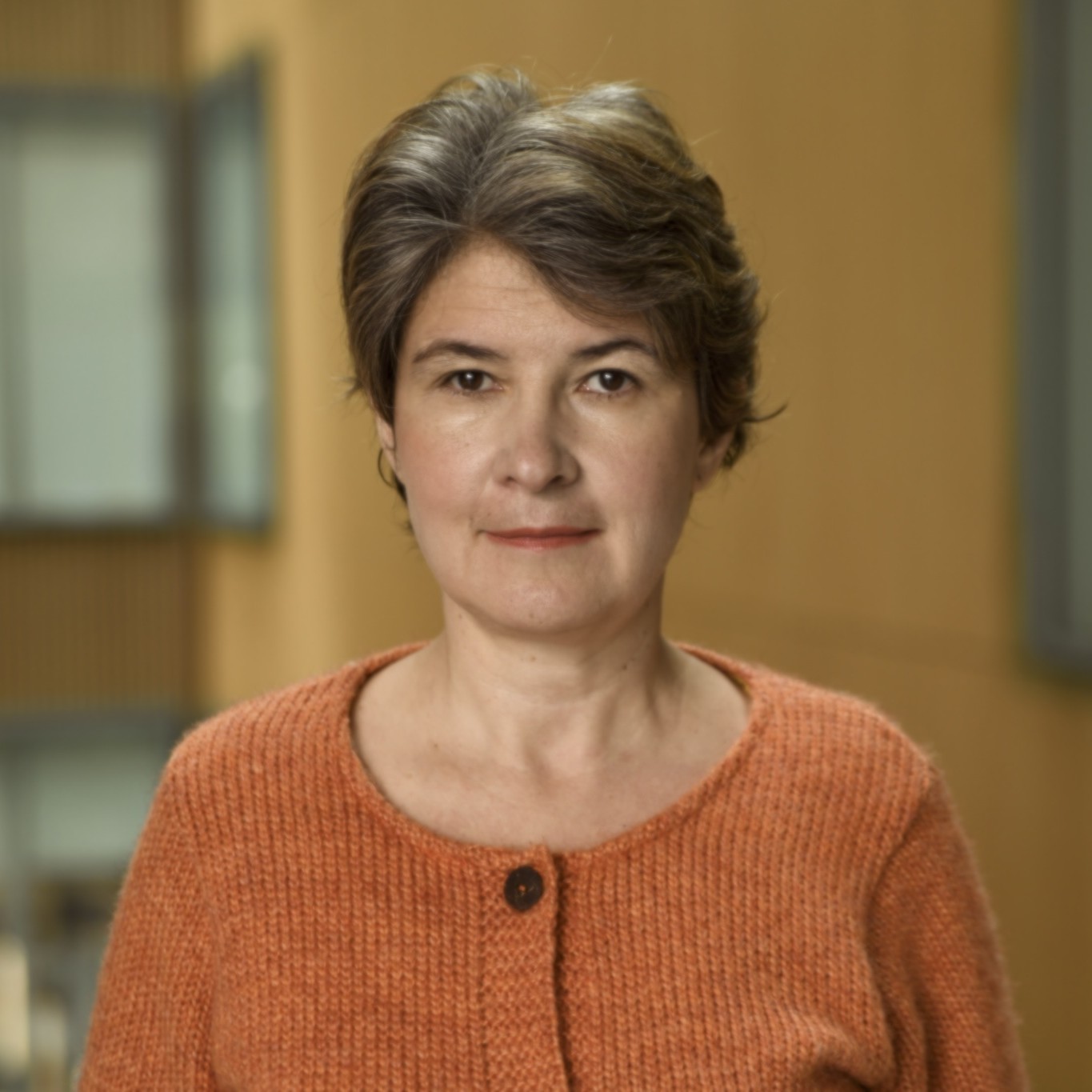
In her keynote address, Virginia Savova explored the evolution and promise of cell-based precision medicine, with a particular focus on spatial biology and artificial intelligence. Savova began by outlining the shift towards therapies that target specific cell types, such as antibody-drug conjugates and immune oncology treatments. She emphasised that the success of these approaches relies on achieving precision at the cellular level, which in turn demands sophisticated spatial biology methods.
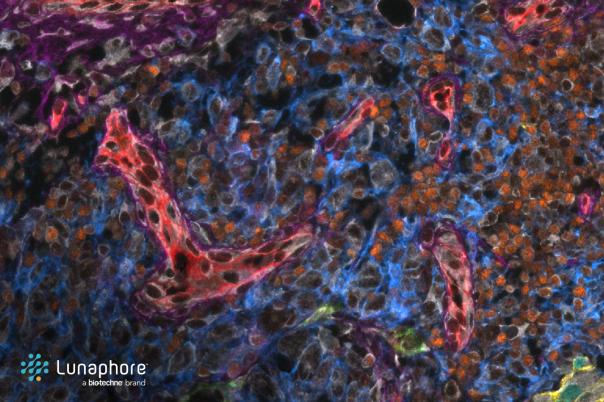
A notable achievement highlighted by Savova was the development of the TROP2 QCS NMR diagnostic. This tool enables clinicians to identify patients most likely to benefit from TROP2-targeted therapies by analysing the spatial distribution of TROP2 within tumour cells. The diagnostic leverages multiple spatial scales, from tissue sections to subcellular localisation, underscoring the importance of spatial context in predicting therapeutic response.
Reflecting on her previous research, Savova discussed studies investigating immune cell migration across different organs. Through meta-analysis of single-cell data, her team discovered that the molecular codes guiding immune cell extravasation are organ-specific and may be influenced by tissue architecture. These findings suggest that disease states modify, but do not erase, healthy tissue communication networks, and that additional interactions emerge in pathology.
Savova then turned to current advancements, describing how spatial transcriptomics and proteomics are now being integrated with computational pathology. She detailed innovative experiments involving microdose interventions, where multiple therapeutic agents are injected into tumours and their effects tracked using spatial technologies. This approach allows researchers to observe mechanisms of action and local tissue responses within the same tumour, offering unprecedented insight into drug efficacy.
Finally, Savova addressed the transformative potential of artificial intelligence, particularly foundation models, in spatial biology. She explained that these AI models, trained on vast datasets, can generate internal representations that facilitate new discoveries and clinical decision-making. Ongoing efforts aim to standardise data pipelines and harness both internal and external spatial transcriptomics data, with the ultimate goal of advancing precision medicine and improving patient outcomes.